
- Azzano Bijoux
- Retailer tips
- 0 likes
- 74 views
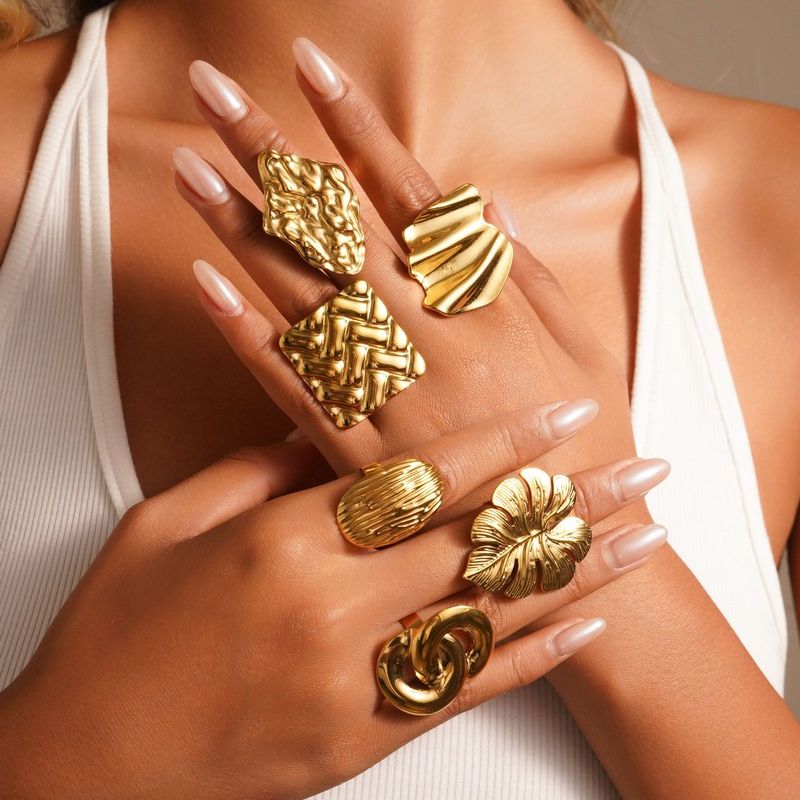
"Is it nickel-free?" If you sell jewellery, you probably hear it several times a week. And you're right to take the question seriously, because in Europe it isn't just about comfort: the law sets very precise limits.
Why nickel
Nickel is everywhere in fashion jewellery, in alloys as well as in plating. The problem is that it's one of the most common causes of contact allergy. Worn on the skin for long periods, it can cause redness and itching in sensitive people, and once you're allergic, you stay allergic.
What the law says
Jewellery sold in Europe falls under the REACH regulation (Regulation (EC) No 1907/2006). Its Annex XVII covers three metals: nickel, cadmium and lead.
For nickel, the rule is a little counter-intuitive. It doesn't ban nickel in the piece; it limits how much reaches the skin. For anything in prolonged contact with the skin (earrings, necklaces, bracelets, rings), the limit is 0.5 µg/cm² per week. For posts that go through the ear, it's even stricter: 0.2 µg/cm² per week. And when a piece is plated, the plating must keep to that limit for at least two years of normal use. Laboratories measure this with a European standard, EN 1811.
For cadmium, the limit is 0.01% by weight in metal parts. For lead, it's 0.05% by weight in any part of the piece, unless it's shown that lead isn't released above the threshold set by the text.
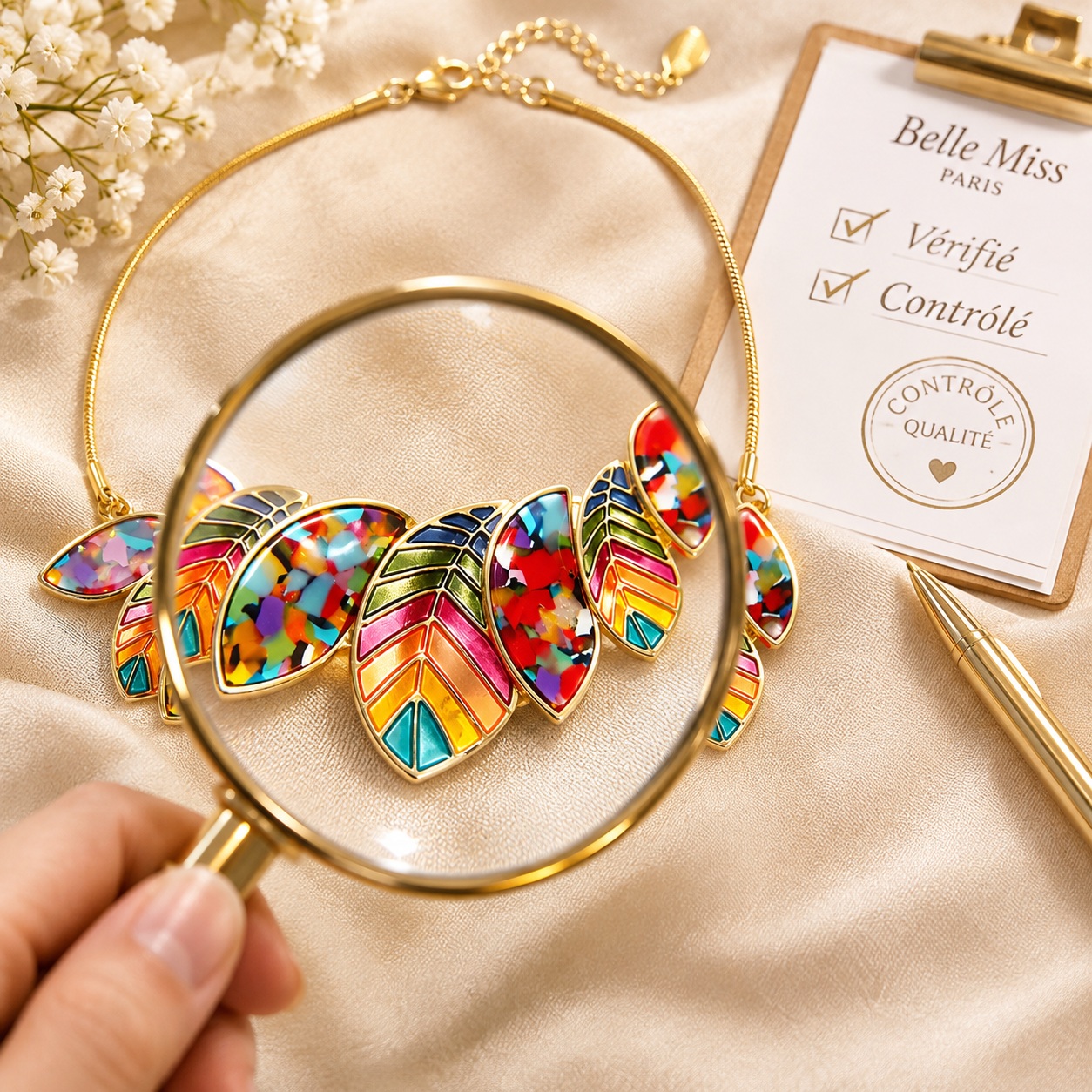
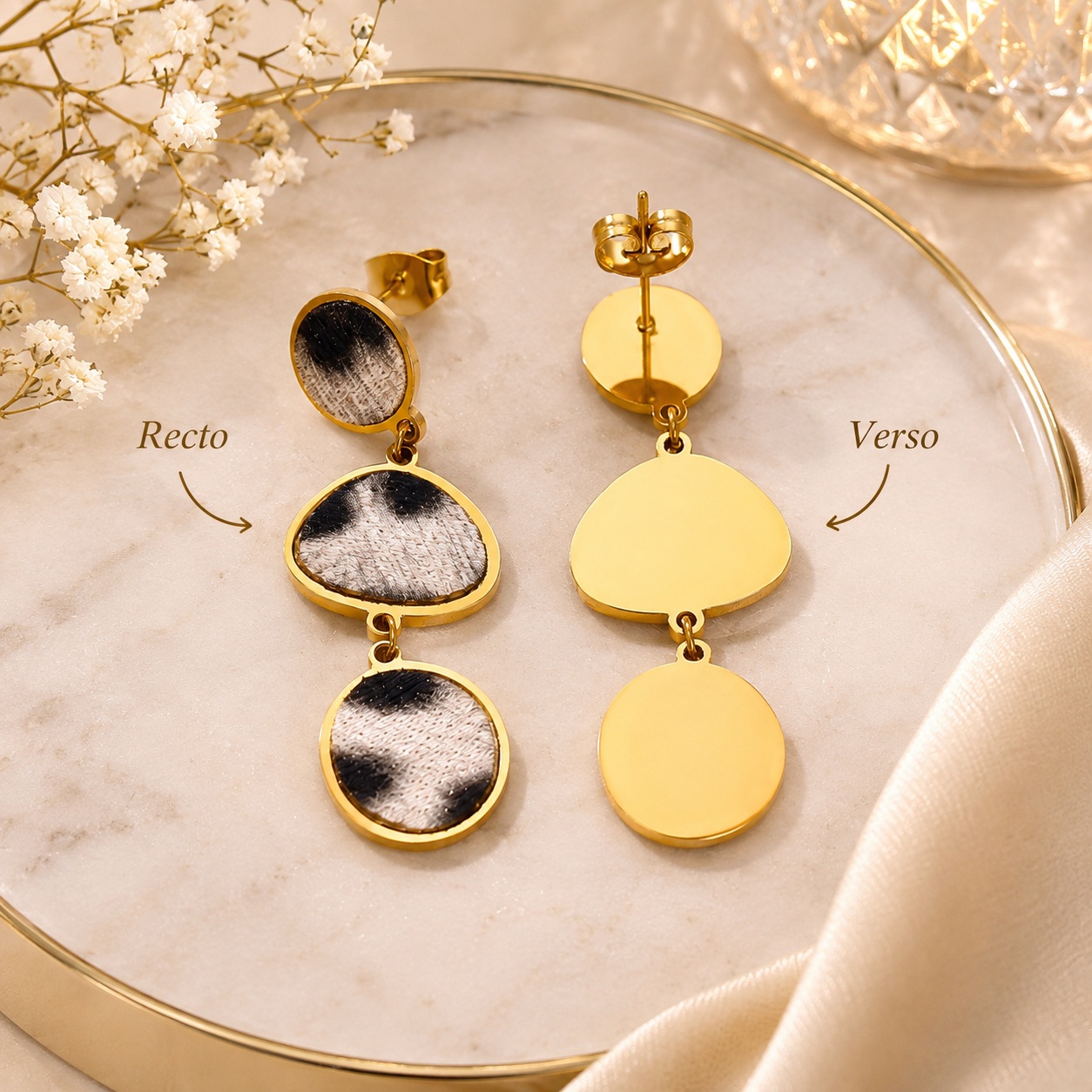
What about clip-ons?
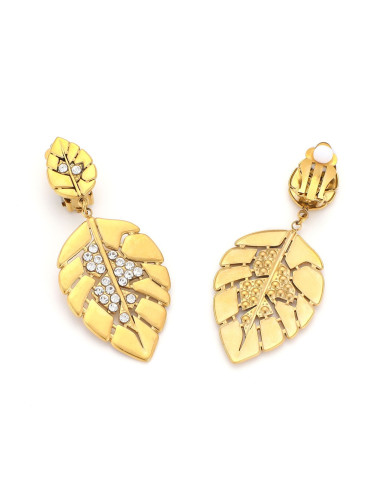
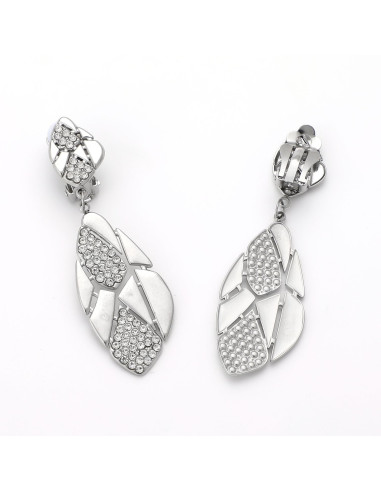
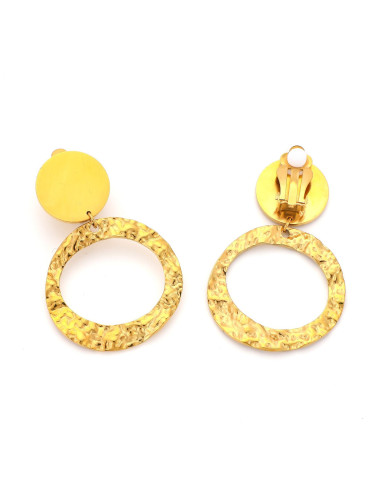
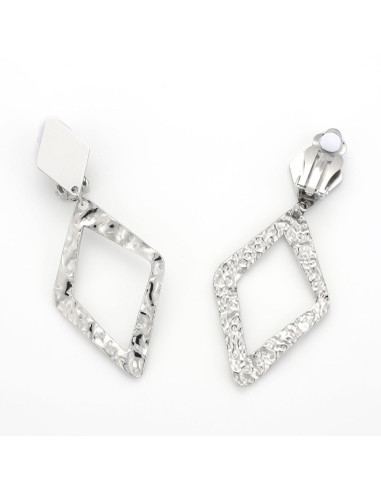
A clip-on doesn't go through the ear, and that's exactly why many customers with sensitive ears choose them. But it sits on the earlobe all day. So it too is covered by the 0.5 µg/cm² per week limit.
What this means for you
Jewellery that exceeds these limits simply isn't allowed on sale in Europe, and it can be withdrawn from the market. European authorities regularly publish alerts about jewellery withdrawn for this reason.
The simplest thing is to ask your supplier: is their jewellery REACH compliant for nickel, lead and cadmium, and can they confirm it in writing? A clear answer is a good sign. A vague one, much less so.
How to talk about it in store
No need to quote micrograms to a customer. "This jewellery is guaranteed nickel-free and complies with European regulations" is plenty. If she has sensitive ears, tell her about clip-ons, which avoid piercing. And if she tells you she's allergic, stay cautious: every skin reacts differently.
At Azzano Bijoux
All our jewellery is guaranteed nickel-free and compliant with the EU REACH regulation. We've been a wholesaler in Paris since 1988, specialising in clip-on earrings, with over 5,000 references in stock.
→ Our story · Our clip-on earrings · Become a retailer
Frequently asked questions
Does "nickel-free" jewellery contain no nickel at all?
European regulations limit how much nickel reaches the skin (0.5 µg/cm² per week). What matters is meeting that limit.
What regulation applies to fashion jewellery in Europe?
The REACH regulation (EC No 1907/2006), Annex XVII: entry 27 for nickel, 23 for cadmium, 63 for lead.
Are clip-on earrings covered?
Yes. They stay in contact with the skin for long periods and must meet the same nickel limit.
How can I check that a supplier is compliant?
Ask them to confirm in writing that their jewellery meets REACH for nickel, lead and cadmium.
Is Azzano Bijoux jewellery nickel-free?
Yes, all our jewellery is guaranteed nickel-free and compliant with the EU REACH regulation.
